
The cost of an excavator represents a significant capital investment for any construction, mining, or contracting business. As a mechanical engineer involved in equipment specification and procurement, I can state unequivocally that there is no single answer to “how much is an excavator.” The price is highly variable, dictated by a complex interplay of machine specifications, market conditions, and acquisition strategy. Understanding these factors is paramount for making an informed purchasing decision.
(how much is an excavator)
The primary determinant of cost is the machine’s size class, typically defined by operating weight. Mini or compact excavators, generally under 7 tons, represent the entry point. These versatile machines, suitable for residential work, landscaping, and light utility tasks, typically start around $25,000 USD for a basic, used model. New mini excavators can range from $40,000 to well over $100,000 depending on size, features, and brand. Mid-range machines, spanning roughly 15 to 30 tons, form the backbone of many construction fleets. Prices for new units in this category generally fall between $100,000 and $250,000. Large excavators, exceeding 30 tons and extending into massive mining shovels weighing hundreds of tons, command premium prices. New large hydraulic excavators commonly range from $250,000 to over $500,000, with specialized ultra-large mining machines reaching several million dollars.
Beyond size, numerous features significantly impact the price. The choice between conventional diesel, increasingly common hybrid, or fully electric powertrains carries substantial cost implications, with electric and hybrid models commanding a significant premium due to battery and advanced control system costs. The hydraulic system’s complexity and flow capacity, dictated by the intended tasks, also influence cost. Advanced operator stations featuring sophisticated joystick controls, large LCD displays, integrated telematics (like GPS machine control, fleet management systems), and enhanced climate control add considerable expense. Furthermore, the base machine price often excludes essential attachments. Specialized buckets (trenching, grading, rock), hydraulic thumbs, breakers, augers, or couplers represent additional investments, easily adding tens of thousands of dollars to the total cost. Brand reputation for reliability, durability, and service support also factors into pricing, with established premium brands often commanding higher prices than value-oriented competitors.
The acquisition method drastically alters the final cost. Purchasing a brand-new excavator directly from an OEM dealer offers the latest technology, full warranty coverage, and predictable maintenance history but comes at the highest price point, typically 20-40% more than a comparable used machine. The used equipment market offers significant savings. Prices vary wildly based on age, hours of operation, maintenance history, and overall condition. A well-maintained 5-year-old mid-size excavator might cost 40-60% of its original new price. Auctions, both physical and online, can yield bargains but carry inherent risks regarding condition and lack of warranty. Finally, renting provides flexibility for short-term needs without the capital outlay or long-term ownership responsibilities, though long-term rental costs can accumulate rapidly.
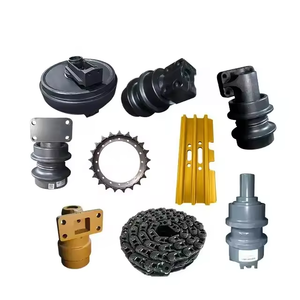
Crucially, the purchase price is only the initial component of the Total Cost of Ownership (TCO). Fuel consumption is a major ongoing expense, heavily influenced by engine efficiency, machine weight, and duty cycle. Maintenance and repair costs, encompassing routine servicing (fluids, filters), undercarriage wear (tracks, rollers, idlers), and unexpected component failures, must be diligently budgeted. Insurance premiums and property taxes add fixed annual costs. Finally, the machine’s residual value – its expected worth at the end of its service life or when resold – significantly impacts the net cost over its operational lifespan. A machine with a strong reputation for durability will generally retain higher resale value.
(how much is an excavator)
Therefore, determining “how much an excavator costs” requires a detailed analysis of the specific operational requirements, desired features, acceptable age/condition, and financial strategy (purchase vs. rent). A mechanical engineer must collaborate with operations and finance teams to evaluate the TCO, balancing upfront expenditure against long-term operational efficiency, reliability, and residual value to select the optimal machine for the task and budget. Always obtain detailed quotes from multiple dealers for the exact specification required.