
The hydraulic system is the cornerstone of modern excavator functionality, enabling precise control of heavy-duty operations such as digging, lifting, and material handling. This system converts mechanical energy from the engine into hydraulic energy, which is then transmitted through fluid to actuate cylinders and motors. Understanding the components and principles governing excavator hydraulics is essential for optimizing performance, reliability, and efficiency.
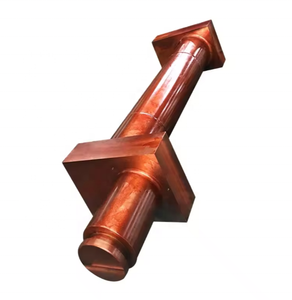
(how excavator hydraulic system works)
At the core of the hydraulic system is the hydraulic pump, typically a variable-displacement axial piston pump driven by the excavator’s engine. This pump generates flow by drawing hydraulic fluid from the reservoir and pressurizing it. The pump’s displacement adjusts automatically based on operational demands, ensuring energy efficiency by minimizing excess flow during low-load conditions. The pressurized fluid is directed through a network of hoses and valves to the actuators, which include hydraulic cylinders for linear motion (e.g., boom, arm, bucket movement) and hydraulic motors for rotational tasks (e.g., swing or travel functions).
Control valves regulate the direction, pressure, and flow rate of hydraulic fluid to the actuators. These valves are often electrically or mechanically operated via the operator’s joystick inputs. For example, when the operator moves the joystick to extend the boom, a corresponding spool valve shifts to channel fluid into the rod-end port of the boom cylinder. This forces the piston rod to retract, lifting the boom. Simultaneously, fluid from the opposite side of the cylinder returns to the reservoir via the valve. Proportional control valves enable precise modulation of speed and force by varying the orifice size through which fluid flows, allowing smooth and responsive operation.
Hydraulic cylinders consist of a barrel, piston, and rod. Pressurized fluid acting on the piston’s surface area generates linear force, calculated as pressure multiplied by piston area (F = P × A). Double-acting cylinders allow fluid to enter both sides of the piston, enabling bidirectional force application. For instance, the bucket cylinder extends to curl the bucket inward for digging and retracts to dump material. Hydraulic motors, such as the swing motor, convert hydraulic pressure into rotational torque. The swing motor drives the excavator’s upper structure (house) relative to the undercarriage, enabling 360-degree rotation. Travel motors, often equipped with planetary gear reducers, propel the excavator by driving the tracks.
The hydraulic system incorporates pressure relief valves to prevent overloading. These valves open at a preset pressure threshold, diverting excess fluid back to the reservoir to protect components from damage. Load-sensing systems further enhance efficiency by adjusting pump output to match the highest load demand among active functions. For example, if the boom and bucket are operated simultaneously, the pump prioritizes the function requiring higher pressure, minimizing energy waste.
Hydraulic fluid serves as both an energy-transfer medium and a lubricant. It must exhibit high viscosity index, thermal stability, and anti-wear properties to withstand extreme pressures (often exceeding 350 bar) and temperature fluctuations. Contamination control is critical; particulate matter or moisture in the fluid can accelerate wear in pumps and valves. Multi-stage filtration systems, including suction, pressure, and return line filters, maintain fluid cleanliness. Regular fluid analysis and filter replacement are imperative for system longevity.
The reservoir stores hydraulic fluid and facilitates heat dissipation. As fluid circulates, it absorbs heat from components like pumps and valves. In some systems, oil coolers—air- or water-cooled—are integrated to maintain optimal operating temperatures (typically 50–70°C). Excessive heat degrades fluid viscosity and seals, leading to leaks and reduced efficiency.
Modern excavators often employ closed-center hydraulic systems, where the pump maintains constant pressure but varies flow based on demand. Advanced electrohydraulic systems integrate sensors and electronic controllers to automate functions like load management and anti-stall, further improving precision and fuel economy.
(how excavator hydraulic system works)
In summary, an excavator’s hydraulic system operates through synergistic interaction of pumps, valves, actuators, and fluid. The engine-driven pump pressurizes fluid, which is strategically routed via control valves to cylinders and motors, translating hydraulic energy into mechanical work. Pressure regulation, load sensing, and contamination control are vital for sustaining performance. Mastery of these principles empowers engineers to design and maintain hydraulic systems that deliver robust, efficient, and precise excavation capabilities, meeting the rigorous demands of construction and mining applications.