
The concept of excavating vast quantities of sand from the Sahara Desert and transporting it for deposition into the ocean presents a scenario of immense scale and complexity. From a mechanical engineering perspective, while technically conceivable in fragments, the proposition as a large-scale geoengineering project is fundamentally impractical and environmentally catastrophic. The sheer scale, energy requirements, technological limitations, and ecological consequences render it infeasible.
(can the sands of rhe sahara be excavated into the ocean)
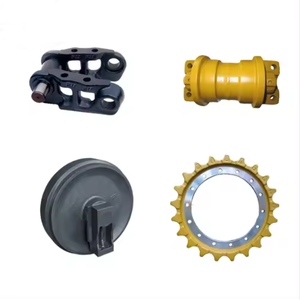
The Sahara Desert encompasses approximately 9.2 million square kilometers. Its sand dunes, while iconic, represent only a fraction of the desert’s surface; much consists of rocky hamada, gravel plains (reg), and dry valleys (wadis). The volume of movable sand is immense but finite. Excavating significant quantities would require unprecedented deployment of heavy machinery – fleets of massive bucket-wheel excavators, draglines, and bulldozers operating continuously across vast, remote, and logistically challenging terrain. The abrasive nature of quartz sand causes extreme wear on excavation and handling equipment, necessitating constant maintenance, part replacement, and significant operational downtime, exponentially increasing costs and complexity.
Transportation represents the most insurmountable hurdle. Moving billions of tons of material over distances exceeding thousands of kilometers to the nearest coastlines (Atlantic, Mediterranean, Red Sea) demands infrastructure beyond current capabilities. Conveyor belt systems spanning continents are engineering fantasies due to power requirements, maintenance challenges over vast distances, terrain obstacles, and vulnerability to environmental damage. Rail networks would require building thousands of kilometers of new track through harsh desert environments, alongside a fleet of specialized hopper cars and locomotives numbering in the tens or hundreds of thousands, operating continuously. The fuel consumption and associated greenhouse gas emissions for such an operation would be staggering, contributing massively to climate change – the very problem some might erroneously believe this could mitigate. Trucking is utterly implausible due to the sheer number of vehicles required and the road infrastructure needed.
Oceanic deposition introduces severe mechanical and environmental challenges. Dumping vast quantities of sand into the ocean would create immense sediment plumes, drastically increasing turbidity over vast marine areas. This would smother benthic ecosystems, destroy coral reefs, block sunlight essential for photosynthesis, and devastate fisheries. Nearshore dumping could alter currents and wave patterns, leading to unpredictable coastal erosion elsewhere. Mechanically, controlled deposition to avoid these impacts or to achieve specific outcomes (like artificial islands) would require sophisticated dredging and pumping equipment operating offshore, further escalating energy demands and technical difficulty. The settling sand could clog vital marine infrastructure.
The energy requirements for the entire excavation, transport, and deposition chain would be astronomical. Powering millions of horsepower worth of machinery continuously for decades would consume a significant portion of global energy production, likely relying heavily on fossil fuels, negating any potential environmental justification. The carbon footprint alone would be unacceptable.
Beyond mechanical engineering challenges, the environmental consequences are profound and unacceptable. Desert ecosystems, while seemingly barren, are intricate and adapted to arid conditions. Large-scale excavation would destroy habitats, release vast amounts of dust affecting air quality regionally and globally, potentially altering local climate patterns and rainfall. The ocean dumping impacts, as stated, would be devastating to marine biodiversity and coastal communities. The project would constitute an ecological disaster on a planetary scale.
(can the sands of rhe sahara be excavated into the ocean)
In conclusion, while mechanical systems exist to excavate, transport, and deposit sand, the scale required to meaningfully impact the Sahara and subsequently the oceans is orders of magnitude beyond current or foreseeable technological and economic feasibility. The energy consumption, infrastructure demands, equipment wear, logistical nightmares, and astronomical costs are prohibitive. Crucially, the catastrophic and irreversible environmental damage to both desert and marine ecosystems makes this concept ethically and ecologically indefensible. Mechanical engineering solutions should focus on sustainable land management, desertification reversal through proven ecological methods, and protecting existing marine environments, not on planetary-scale earthmoving with dire consequences.