
Land excavation represents a fundamental engineering process involving the removal of earth materials to achieve a desired topographic configuration. As mechanical engineers, our focus extends beyond the mere act of digging; we are centrally concerned with the application of forces, the selection and optimization of machinery, the understanding of material properties, and the rigorous implementation of safety protocols to execute earthmoving operations efficiently and economically. The process demands meticulous planning and execution grounded in mechanical principles.
(how to excavate land)
The initial phase requires comprehensive site investigation and planning. Mechanical engineers analyze soil and rock properties – density, moisture content, cohesion, internal friction angle, and compressive strength – to determine rippability and appropriate excavation methods. Geotechnical reports inform critical decisions regarding slope stability, preventing collapses that endanger personnel and equipment. Detailed topographic surveys establish baseline conditions and guide the development of cut-and-fill calculations to minimize material transport, a significant cost factor. This planning stage defines the excavation’s geometry, volume, and sequence, directly influencing equipment selection.
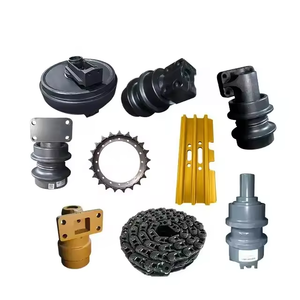
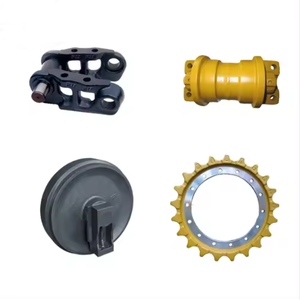
Equipment selection is paramount and hinges on the project’s specific requirements: material type, volume, required precision, site access, and duration. Mechanical engineers evaluate the power, force capabilities, and efficiency of various machines. Hydraulic excavators, ranging from compact mini-excavators to massive mining shovels, offer versatility for digging, trenching, loading, and demolition, their effectiveness determined by bucket capacity, hydraulic system pressure/flow, and boom/stick kinematics matched to the required reach and breakout force. Bulldozers, utilizing their blade and tractive effort, excel at pushing large volumes of soil over short distances and site clearing. Scrapers efficiently load, haul over moderate distances, and dump material in a single cycle. Loaders (wheeled or tracked) are optimal for material handling and loading haul trucks. For large-scale bulk earth removal, draglines or large bucket-wheel excavators may be employed. The mechanical integrity of these machines – structural design, powertrain efficiency (diesel engines or electric motors driving hydraulic pumps), undercarriage wear, and hydraulic system reliability – falls squarely within the mechanical engineer’s purview.
The actual excavation operation demands careful sequencing and continuous monitoring. Stripping topsoil for separate storage is often the first step. Subsequent excavation proceeds according to the plan, typically working from the highest to lowest elevation. Operators must skillfully manipulate equipment controls to apply optimal force vectors for breaking and moving material, minimizing energy waste and machine stress. Mechanical engineers analyze the forces involved: the bucket tooth penetration force required to fracture the soil or rock, the force needed to overcome the material’s weight and internal friction during lifting, and the tractive effort required for pushing or hauling. Efficient loading of haul units requires matching excavator cycle times to truck capacity and travel time. Constant surveying ensures adherence to design grades and slopes. Dust and noise suppression measures are often mechanically engineered solutions.
Material handling is intrinsically linked to excavation. Selected material may be stockpiled on-site for later use, requiring careful placement to prevent erosion or instability. Excess material (spoil) must be transported to designated disposal areas, involving haul road design and maintenance to minimize rolling resistance and vehicle wear. Placement of fill material demands controlled compaction using rollers (vibratory, static, pneumatic-tired) to achieve specified density and bearing capacity, a process governed by soil mechanics and compaction equipment dynamics. Water management through ditches, pumps, and sediment control structures is crucial to prevent erosion and site flooding.
Safety is the non-negotiable foundation. Mechanical engineers contribute significantly by designing and specifying equipment with integrated safety features (ROPS/FOPS), ensuring machine stability through proper counterweight design and operating procedures on slopes, and establishing rigorous maintenance protocols to prevent catastrophic failures. Comprehensive operator training, clear communication protocols, trench safety systems (shoring, shielding, sloping), utility location verification, and strict adherence to personal protective equipment (PPE) standards are mandatory. Hazard identification and mitigation, including managing overhead power lines, underground utilities, and unstable ground conditions, are continuous responsibilities.
(how to excavate land)
In conclusion, successful land excavation is a complex mechanical engineering undertaking. It requires the systematic application of force analysis, material science, machine design principles, and thermodynamics (engine efficiency) to select, operate, and maintain powerful earthmoving equipment. Through diligent planning based on geotechnical data, optimized equipment selection and operation, efficient material handling logistics, and an unwavering commitment to safety engineered into every process, mechanical engineers ensure that excavation projects are completed effectively, on schedule, within budget, and without incident. The ground may be broken by steel, but it is shaped by engineering precision.