
Starting a Case excavator requires a systematic approach to ensure safety, operational efficiency, and longevity of the equipment. As a mechanical engineer, I emphasize adherence to manufacturer protocols and pre-operational checks to mitigate risks. Begin with a thorough pre-start inspection. Walk around the machine, examining for fluid leaks, hydraulic hose integrity, structural damage, and tire or track condition. Verify fluid levels including engine oil, coolant, hydraulic fluid, and fuel. Inspect the undercarriage for debris accumulation and ensure all safety decals are legible. Check the battery terminals for corrosion and secure connections. Confirm the work area is clear of personnel and obstacles, adhering to site-specific safety regulations.

(how to start a case excavator)
Proceed to the operator’s cab. Ensure the seatbelt is functional and fasten it securely. Adjust the seat and mirrors for optimal visibility. Verify all controls are in neutral positions, particularly the hydraulic lockout lever, which must be engaged to prevent accidental movement. Insert the key into the ignition switch but do not turn it yet. Activate the battery disconnect switch if equipped. Scan the instrument cluster for warning lights; any illuminated indicators should be addressed before ignition. Depress the hydraulic lock pedal (if applicable) to disengage hydraulic functions during startup.
Initiate the starting sequence. Turn the ignition key to the “ON” position, allowing the system to complete self-diagnostics. Monitor the dashboard for fuel pressure, battery voltage, and diagnostic trouble codes. If the machine features a glow plug system for cold starts (common in diesel engines), activate it per the operator’s manual—typically holding the key in a pre-heat position for 5–15 seconds depending on ambient temperature. Once pre-heat completes, turn the key to the “START” position. Crank the engine for no longer than 15 seconds; if it fails to start, wait one minute to prevent starter motor damage before retrying. Release the key immediately upon ignition, allowing it to return to the “ON” position.
Post-start, observe engine behavior. Listen for abnormal noises like knocking or irregular idling. Check the instrument panel: oil pressure should stabilize within 10–15 seconds, and coolant temperature must rise gradually. Allow a 3–5 minute warm-up period, especially in cold environments, to circulate fluids and reduce mechanical stress. During this phase, test hydraulic functions slowly—extend/retract the boom, curl the bucket, and swing the upper structure—to verify responsiveness and detect leaks. Confirm pilot control pressure (if equipped) and ensure all joystick movements correspond accurately to attachment actions.
Critical safety reminders: Never bypass safety interlocks or attempt jump-starts without understanding electrical implications. Always start the excavator from the operator’s seat with controls neutralized. If the engine stalls or warning lights persist, shut down immediately and investigate using diagnostic tools. Consult the Case service manual for model-specific nuances, such as electronic throttle settings or emissions-system protocols. Proper startup procedures prevent costly failures, reduce downtime, and uphold workplace safety standards.
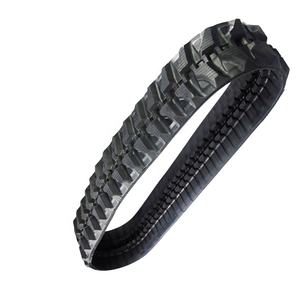
(how to start a case excavator)
In summary, methodical pre-checks, disciplined ignition sequencing, and attentive post-start validation are non-negotiable for professional excavator operation. This protocol safeguards both the operator and the machine’s mechanical systems, ensuring reliability throughout its service life.